


© SOLLYS DESIGN

London Design Week 2026 : British Interiors vs Singapore
2026.03.23
Members of Sollys Design’s overseas team visited the interior design event “London Design Week” held in London. This report is brought to you by YUKI, a writer based in London.
In this article, we explore the latest interior design trends in the UK and the underlying aesthetic values behind them, incorporating insights from Ishii, the Singapore-based representative and interior designer of Sollys Design.
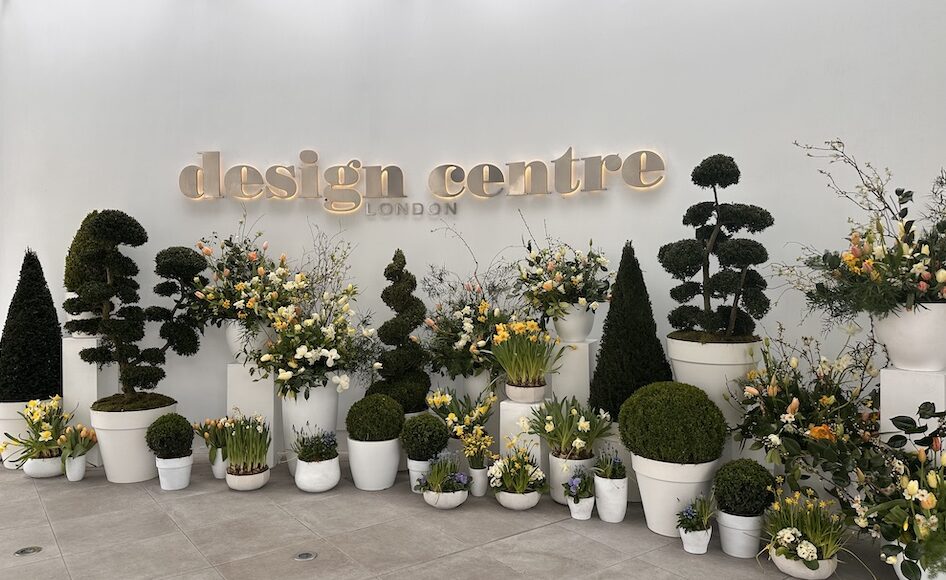
The entrance of London Design Week was beautifully decorated with greenery and flowers, as if celebrating the arrival of spring.
Stepping inside, visitors are immediately greeted by presentations full of “London character.”
“It feels completely different from Milan Design Week, which I visited last year,” says Ishii. Let’s take a closer look at what defines “British-style interiors.”
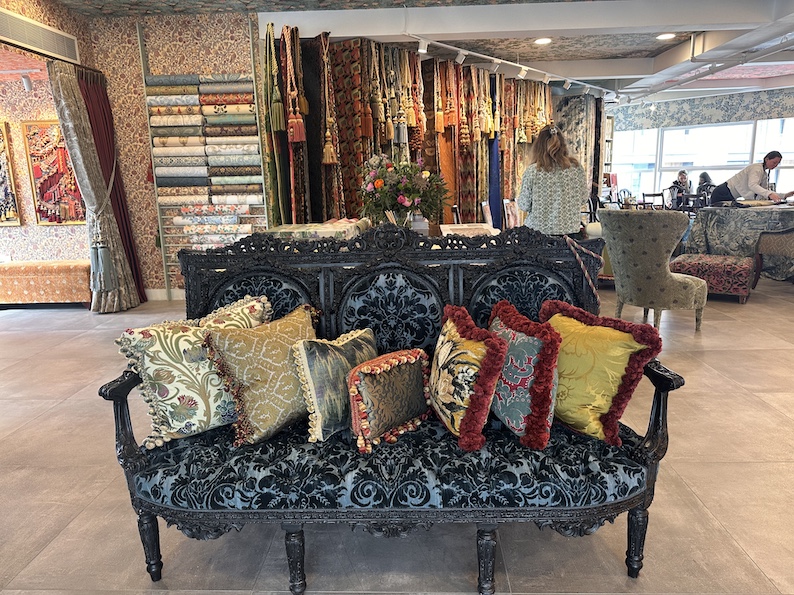
What is London Design Week?
London Design Week is an interior design event held ყოველ March at the Design Centre in Chelsea Harbour. It is primarily aimed at professionals in the interior design industry.
The Design Centre houses permanent showrooms of some of the world’s top brands. During Design Week, these are complemented by new product launches and special installations, creating a lively and inspiring atmosphere.
In addition, numerous talks and panel discussions by designers are held throughout the event, offering visitors a chance to engage directly with the ideas and concepts behind the designs.
One particularly striking feature is that, beyond furniture and spatial styling, the focus is also on the details that make up a space—such as wallpapers, fabrics, lighting, and decorative elements.
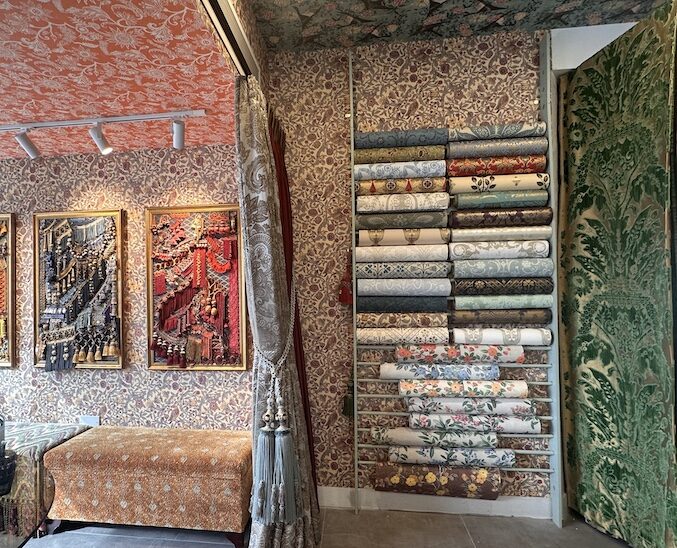
Characteristics of British Interiors: A Culture of Detail and Maximalism
1. Attention to Detail
One of the most impressive aspects of London interiors is the meticulous attention to detail. From wallpaper patterns and fabric textures to curtain fringes and trims, the overall quality of a space is elevated through the accumulation of small elements.
In London, it seems that the completeness of a space is not defined by the whole, but by the layering of details.
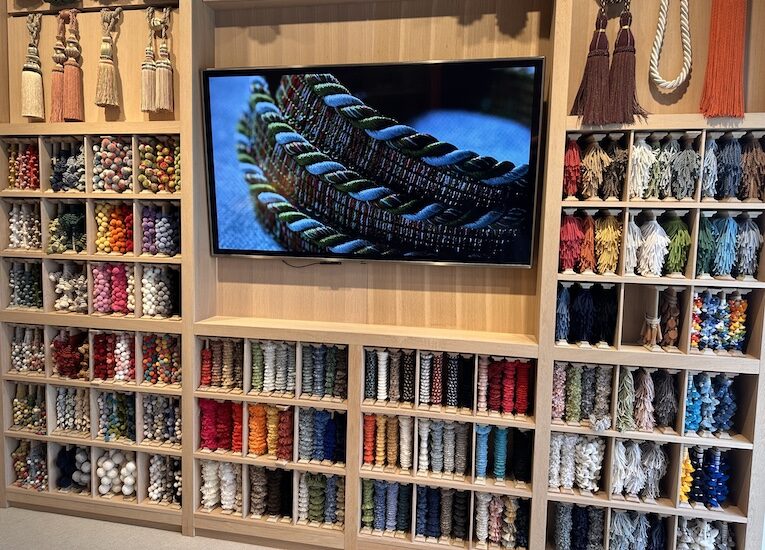
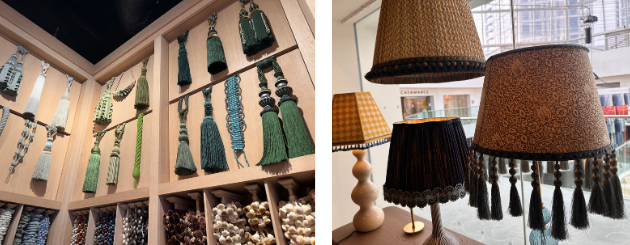
▲ The Samuel & Sons showroom—a New York–based decorative brand—was bustling with visitors, many of whom were drawn to the fringes. These details sit beautifully within classic British interiors, adding a subtle touch of playfulness.
Background: Why Are Details So Important?
This emphasis can be traced back to the Industrial Revolution of the 19th century and the Arts and Crafts movement that emerged in response to it. As mass production spread uniform products, there was a renewed appreciation for craftsmanship and natural materials.
From this, the idea that “beauty resides in the details” became deeply rooted in the culture.
In the UK, the home has long been seen not merely as a living space, but as a place to express one’s education, values, and identity. As a result, every element—from material selection to decorative meaning and finishing details—plays a crucial role in defining the quality of a space.
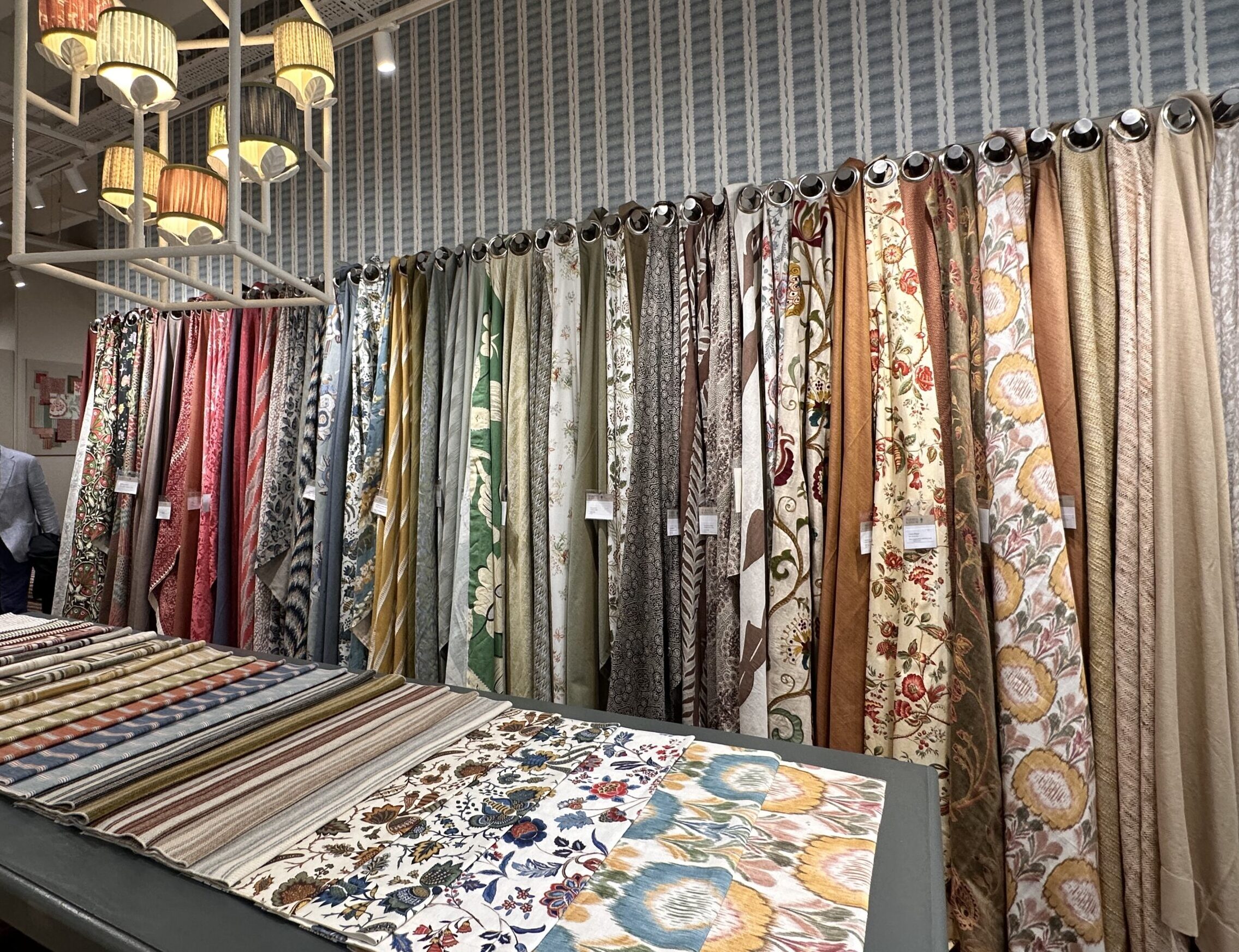
Many floral and decorative patterns also reflect influences such as Indian block printing and embroidery. This highlights how British interiors have been shaped by diverse cultural influences, rooted in the history of trade and the British Empire.
2. Maximalism (Layered Design)
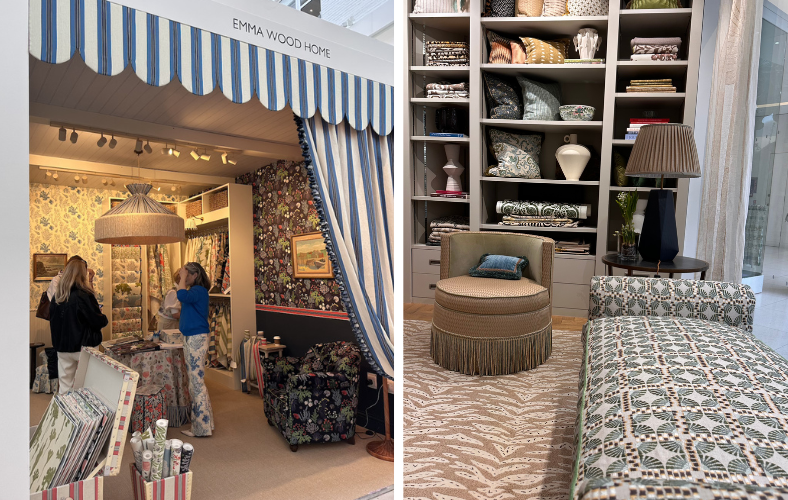
Research shows that this maximalist approach is also deeply connected to British history. The UK is home to richly decorated architectural styles such as Victorian and Georgian.
Since architectural elements like moldings, fireplaces, and ceiling details are already highly decorative, interiors naturally evolve to match them, resulting in richly layered spaces.
Additionally, the tradition of inheriting furniture and decorative items over generations has led to a design philosophy of “layering” rather than replacing.
 Differences from Singapore: The Definition of Luxury
According to Ishii, “The difference between London and Singapore lies not only in style, but in the very definition of luxury.”
In Singapore, the focus tends to be on:
- Innovation
- Modern design
- Functionality and ease of maintenance
In other words, “comfortable and high-quality living” is prioritized.
As a relatively young nation, Singapore has many newer residential buildings. It is also a global hub attracting affluent individuals from around the world, which increases appreciation for internationally recognized brands and refined, universally appealing design.
In contrast, in London, factors such as:
- History
- Culture
- Personal stories
play a much more significant role in defining the value of a space.
Recent Trends in British Interiors: Reinterpreting Tradition and a Return to Craft
In recent years, British interiors have been evolving toward reinterpreting tradition in a modern context.
One particularly notable trend is the renewed appreciation for craftsmanship and handmade elements. As digital technologies and AI make it easier to produce efficient and uniform designs, there is a growing counter-movement that values items created by human hands.
Examples include:
- Hand-painted wallpapers
- Handwoven or embroidered fabrics
- Materials that intentionally retain irregular textures
- One-of-a-kind furniture and decorative pieces crafted by artisans
There is an increasing appreciation for the beauty of imperfection.
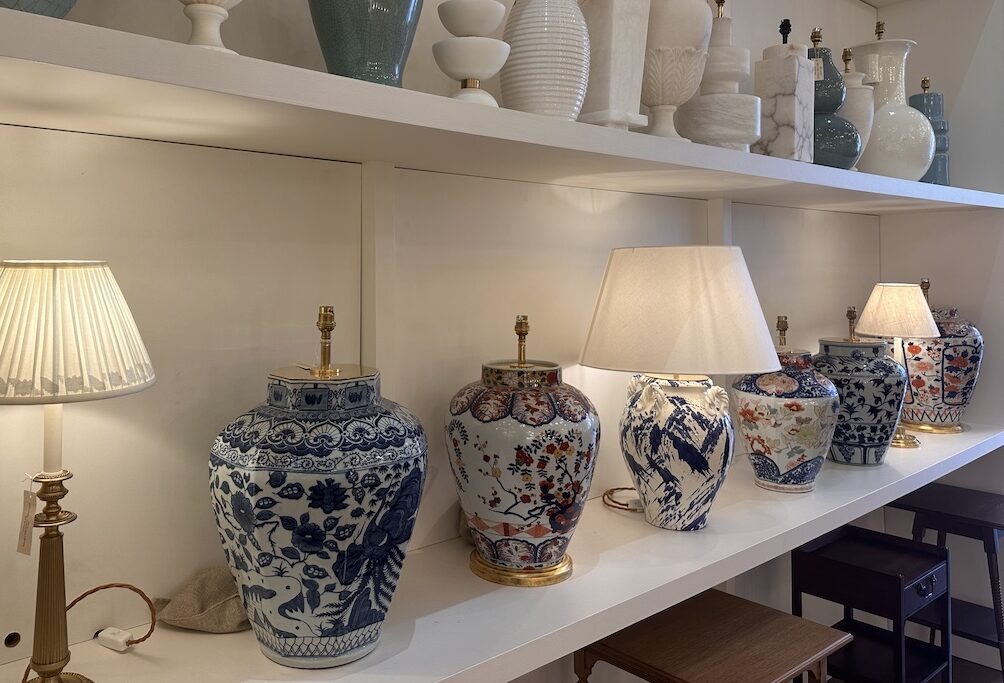
▲ In the UK, many homes incorporate classic lamps. At Vaughan, a British lighting brand, lamps created in collaboration with Imari porcelain were also on display.
Ishii reflects that “the idea of incorporating value created through time and effort into modern spaces is being recognized as a new form of luxury,” a trend also observed in Europe, including at Milan Design Week, and one that is gaining global traction.
Conclusion
What stood out most at London Design Week was the importance of “details” and “story” in British interiors. In London, being able to explain why something was chosen is itself part of the design’s value—and that, ultimately, defines individuality.
Next time, we will be visiting Milan Design Week in April with Ishii from Sollys Design, so stay tuned for another report.

Recent Topic



Sollys Interior Design Pte. Ltd.
30 Petain Road Singapore 208099, Singapore, 208099